

Cyber Security Importance: Why It Matters Now


Cyber security is a fundamental necessity for modern business. As reliance on interconnected systems grows, so does the sophistication of threats. From individual privacy to national defense, protecting sensitive data from unauthorized access is critical. This article explores the core reasons behind cyber security importance across all sectors.
With the rise of automated attacks and data theft, understanding these defenses is crucial for everyone. It affects individuals, businesses, and national infrastructure alike. Recognizing the cybersecurity significance of daily choices helps reduce risk.
Executive Summary
Cyber security is a shared priority for protecting sensitive data, privacy, trust, and economic stability. Effective defense blends core domains (network, application, information, and operational security) with practical measures. These measures include employee awareness training, disciplined patch management, and ongoing risk assessment. Building a security-minded culture reduces human error and strengthens resilience. Vigilance is essential as technology and threats evolve.
Understanding Cyber Security: What It Is and Why It Matters
Cyber security involves the protection of electronic systems and data. This encompasses networks, computers, and software, aiming to prevent unauthorized access and data breaches.
The importance of cybersecurity cannot be overstated. As digital reliance grows, protecting information systems becomes a top priority for organizations. A robust strategy typically includes these components:
- Network Security: Protects the data in transit within networks.
- Application Security: Secures software applications from external threats.
- Information Security: Safeguards data integrity and confidentiality.
- Operational Security: Manages processes to protect data access and storage.
This cybersecurity significance extends beyond technology. It is vital for maintaining trust, ensuring privacy, and supporting economic stability. Failure to prioritize these defenses can lead to severe consequences.
5 Key Reasons Why Cyber Security Is Important
These five points are often cited as the 5 importance of cyber security factors for organizations of all sizes.
- Protects Sensitive Data: Cyber security safeguards personal and financial information. Unauthorized data breaches can lead to identity theft and financial loss.
- Prevents Cyber Attacks: Increasing threats make protection vital. Measures defend against hacking, phishing, and malware.
- Maintains Business Continuity: Cyber attacks can disrupt operations and services. Effective security ensures smooth business processes and prevents downtime.
- Supports Economic Stability: Threats can damage an economy. Security protects businesses and consumers, bolstering financial confidence.
- Enhances Trust and Privacy: Protecting digital interactions builds trust. This enhances relationships with customers, partners, and stakeholders.
Each reason adds layers of protection. Together, they create a formidable defense.
The Importance of Cyber Security Awareness Training for Employees
Employees are often the first line of defense. Training them is crucial to prevent breaches, as human error is a significant factor in many incidents. Leaders should emphasize the importance of cyber security awareness training for employees to reduce preventable incidents.
Cyber security awareness training for employees prevents costly mistakes. It empowers staff to recognize threats like phishing emails and suspicious links. Understanding how to handle sensitive data properly reduces the chance of accidental leaks.
Key aspects of effective training include:
- Recognizing and avoiding phishing scams.
- Understanding the importance of strong, unique passwords.
- Safely handling and sharing sensitive information.
- Identifying suspicious network activities.
Regular training sessions ensure that employees stay updated on evolving threats. This reinforces a culture of safety and highlights the security awareness importance across teams.
The Importance of Patch Management in Cyber Security
While training addresses human error, patch management addresses software error. It is vital for protecting systems from vulnerabilities that hackers exploit.
Unpatched software is a significant risk. Hackers frequently target outdated systems to gain unauthorized access. Therefore, timely patches are crucial for maintaining security.
Effective patch management includes:
- Regular assessment of systems for vulnerabilities.
- Timely deployment of patches and updates.
- Monitoring for potential threats in unpatched systems.
Implementing a structured process reduces the risk of breaches. By prioritizing these updates, organizations significantly bolster their posture and demonstrate the importance of patch management in cyber security.
The Role of Risk Management and Risk Assessment
Cyber risk management is a key component of a strong defense. It involves identifying, evaluating, and addressing potential threats. By understanding these risks, organizations can effectively prevent or mitigate damage.
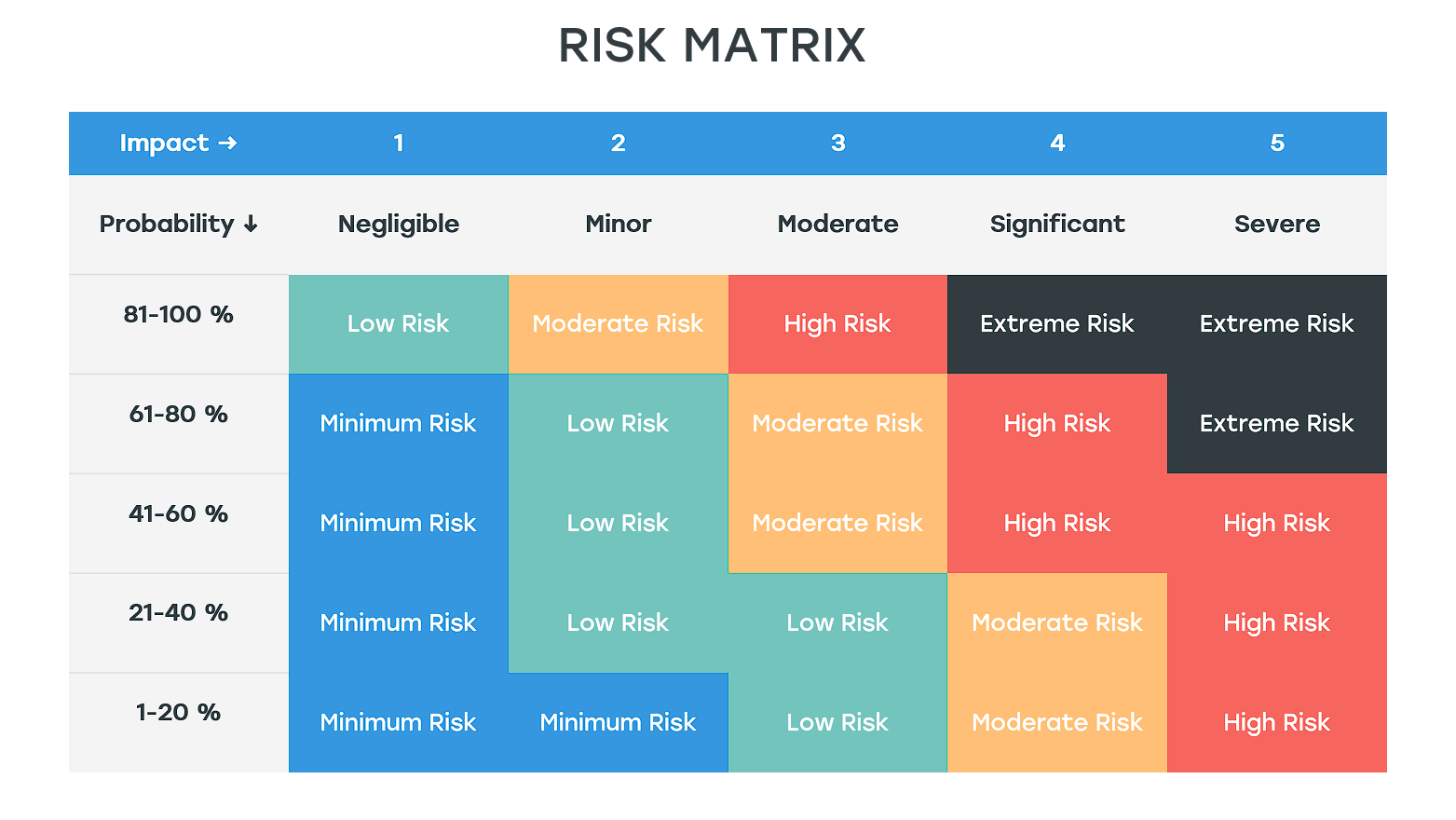
Risk assessment helps in pinpointing vulnerabilities before they are exploited. This proactive approach ensures that potential threats are evaluated regularly. Organizations can then prioritize which risks need immediate attention.
Essential steps for effective risk management include:
- Identifying and categorizing potential threats.
- Evaluating the impact and likelihood of these threats.
- Implementing strategies to manage or mitigate risks.
These practices underscore the importance of risk management in cyber security and the importance of risk assessment in cyber security as part of comprehensive protection.
Cyber Security for Students: Why It Matters
Cyber security is crucial for students. With increasing online activities, students face various threats. Protecting personal information is essential for their safety.
Understanding these concepts helps students practice safe online habits. These skills are invaluable as they enter the workforce. Students can better recognize potential threats and avoid common pitfalls.
Key reasons why cyber security matters for students include:
- Protecting personal data from hackers.
- Ensuring safe use of digital learning platforms.
- Developing lifelong digital literacy skills.
Educators and families should emphasize the importance of cyber security for students. Teaching these concepts early fosters a generation that values privacy.
Conclusion: Making Cyber Security a Priority
Cyber security must be a top priority for everyone. The landscape continues to evolve rapidly, presenting new challenges. Protecting data and systems is not just a choice (it is a necessity).
Commitment to strong practices protects information and fosters trust. By prioritizing cyber security, we safeguard our future against escalating risks.